
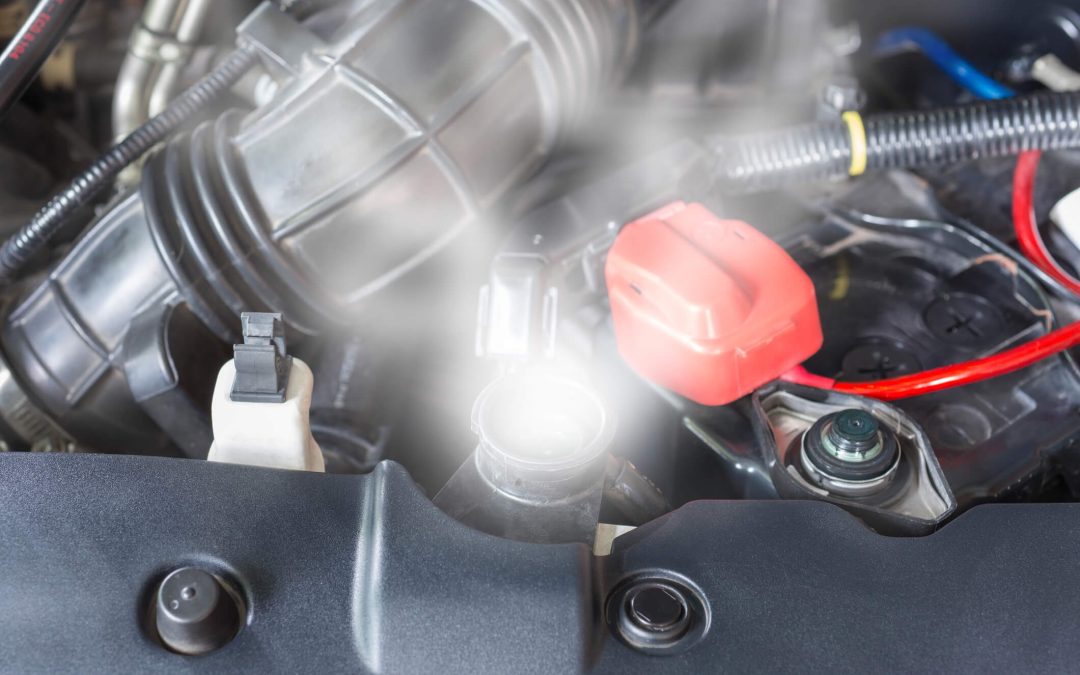
BMW engines are known for precision engineering, but even the most reliable cars can experience engine overheating. Common causes include a blockage in the cooling system, a coolant leak, or worn parts. Early detection of these issues is critical to prevent severe engine damage and maintain optimal performance. Whether you own one BMW or several, recognizing the symptoms early can save time and costly repairs.
At All European Auto Repair Las Vegas, we specialize in diagnosing and repairing overheating engines for all BMW models. Our team inspects every component, from coolant hoses to radiator parts, ensuring no blockage or leak goes unnoticed. With our expertise, you can trust that your car will be restored to its peak performance and that any overheating issues will be thoroughly and efficiently addressed.
Identifying BMW Engine Overheating Symptoms
Recognizing engine overheating symptoms early helps BMW owners avoid costly and potentially serious repairs. Some common signs include:
Rising Engine Temperature: A rapidly climbing temperature gauge or high engine temperature indicates a problem.
Low Coolant Level: Constantly low coolant levels may signal coolant leaks or system malfunctions.
Steam or Smoke from Under the Hood: Visible steam or white smoke suggests coolant leaks or an overheating engine.
Unusual Noises: Hissing or gurgling noises may point to trapped air or water pump failure.
Loss of Power and Poor Idling: Overheating can reduce engine power, cause stalling, or affect idle.
Check Engine Light Warning: Temperature issues often trigger the check engine light, signaling cooling system problems.
BMW owners should call a qualified mechanic immediately if any of these symptoms appear. Posts and forums can provide helpful information, but nothing replaces professional inspection and repair to prevent severe engine damage.
Primary Causes of BMW Engine Overheating
Multiple factors can cause overheating in BMW engines, and every owner needs to provide immediate attention and seek professional BMW Repair in Las Vegas to prevent severe damage. Proper diagnostics and maintenance help identify the root cause:
Low Coolant Levels and Leaks
Coolant is critical for regulating engine temperature. Leaks can occur in hoses, radiators, gaskets, or water pumps, which reduces flow and can cause overheating. Look for fluid under the vehicle or damp rubber hoses.
Water Pump Failure
The water pump circulates coolant throughout the engine. Water pump failure prevents proper coolant flow, causing rapid engine temperature increases. Signs include leaks, noises, or steam from the hood.
Thermostat Malfunction
The thermostat regulates coolant circulation. A stuck thermostat blocks flow, resulting in overheating, temperature gauge spikes, or idle overheating.
Radiator and Radiator Fan Issues
The radiator disperses heat, while the radiator fan ensures sufficient airflow. Clogged fins or a fan malfunction reduce cooling efficiency, which in turn raises engine temperature.
Faulty Hoses and Belts
Rubber hoses and belts transport coolant and drive the water pump. Cracks, leaks, or broken belts disrupt coolant flow, causing overheating.
Air in the Cooling System
Air pockets reduce coolant circulation, creating hot spots. Proper bleeding restores coolant flow and temperature control.
Head Gasket Problems
A blown head gasket allows coolant to leak into the engine, producing steam, smoke, and fluctuating coolant levels. This severe failure requires immediate professional repair.
Essential BMW Engine Overheating Checks
A systematic approach ensures the cause of overheating is correctly identified:
- Check Coolant Levels: Maintain the correct coolant level according to manufacturer specifications.
- Inspect Hoses and Connections: Look for leaks, cracks, or soft rubber.
- Examine the Radiator and Fan: Ensure proper airflow and functioning of the radiator fan.
- Assess Thermostat Function: Verify it opens and closes at the correct engine temperature.
- Evaluate Water Pump Performance: Check for leaks, noises, or shaft play.
- Detect Coolant Leaks: Use pressure testing to locate hidden leaks.
- Monitor Temperature Gauge and Warning Lights: Confirm accuracy and monitor check engine light codes.
BMW Engine Overheating Repair Solutions
Repair depends on the root cause of the overheating engine.
Cooling System Repairs and Maintenance
- Refill or Replace Coolant: Ensure the proper coolant type and level are used.
- Flush Cooling System: Remove debris and old fluid to restore flow.
- Repair or Replace Hoses: Replace damaged hoses to prevent leaks and ensure optimal performance.
Water Pump Replacement
A defective water pump disrupts coolant flow. Replacement restores system efficiency and prevents engine damage.
Thermostat Replacement
A malfunctioning thermostat prevents proper coolant circulation and must be replaced.
Radiator and Fan Service
Clean radiator fins, replace faulty fans, and inspect fan relays to improve cooling performance.
Head Gasket Repair
Repairing a blown gasket stops coolant leaks and prevents engine overheating.
Belt and Pulley Replacement
Replace worn or broken belts that drive water pumps and other cooling components.
Leak Detection and Repair
Professional diagnostics identify hidden leaks, including in hoses, clamps, gaskets, or the radiator.
Preventive Measures to Avoid BMW Engine Overheating
Proactive maintenance can prevent engine overheating:
- Regular Coolant Checks: Maintain proper coolant levels before trips.
- Scheduled Coolant Flushes: Replace coolant every 2–3 years, or as recommended by the vehicle’s manual.
- Routine Hose and Belt Inspections: Look for wear, cracks, or leaks.
- Monitor Temperature Gauge: Watch for unusual readings or warning lights.
- Radiator Cleanliness: Keep fins and airflow paths clear.
- Prompt Repairs: Address leaks or component failures immediately.
- Professional Diagnostics: Ensure expert BMW service for an accurate assessment of your cooling system.
Types of BMW Engine Overheating
BMW engines may overheat in different ways depending on model and driving conditions:
Overheating During Idling
Caused by insufficient airflow, fan failure, or low coolant levels.
Overheating Under Load
Happens during power-intensive driving due to cooling system inefficiency or blockages.
Intermittent Overheating
Often signals thermostat issues, partial water pump failure, or temporary coolant leaks.
Rapid Overheating
Occurs with severe coolant loss, head gasket failure, or complete water pump malfunction, requiring immediate repair.
Consequences of Ignoring BMW Engine Overheating
Neglecting overheating engines can cause severe problems:
- Engine Damage: Warped cylinder heads, piston damage, or engine seizure.
- Cooling System Damage: Damaged radiator, hoses, or pump.
- Reduced Vehicle Performance: Poor acceleration and inefficient fuel use.
- Safety Hazards: Steam or smoke may impair driver visibility and increase the risk of breakdown.
Professional BMW Engine Overheating Services in Las Vegas
All European Auto Repair Las Vegas provides expert diagnostics, maintenance, and repair for all BMW models. Our services include:
- Complete cooling system inspection
- Water pump repair and replacement
- Radiator cleaning and repair
- Thermostat replacement
- Leak detection and repair
- Belt and hose replacement
- Coolant flush and refill
- Professional diagnostics for temperature and check engine warning issues
Our team ensures reliable BMW engine performance and long-term vehicle health.
Tips for BMW Owners to Prevent Overheating
BMW owners can take proactive steps:
- Check coolant levels before long trips.
- Inspect hoses, belts, and clamps regularly to ensure they are in good condition.
- Monitor the temperature gauge and warning lights.
- Schedule routine maintenance appointments with experienced BMW technicians.
- Avoid driving with an overheating engine to prevent catastrophic damage.
Conclusion
BMW engine overheating is preventable with proper maintenance, inspection, and repair. Recognizing symptoms such as steam, smoke, low coolant levels, and rising engine temperature allows owners to address issues promptly. Timely repair of water pumps, thermostats, radiators, hoses, and gaskets protects your engine and maintains vehicle performance.
At All European Auto Repair Las Vegas, we provide comprehensive diagnostics and repair services for all BMW models. From coolant system maintenance to emergency repairs, our team ensures your BMW remains safe, reliable, and high-performing. Protect your investment by addressing engine overheating symptoms promptly and scheduling a professional service appointment as soon as possible.
Frequently Asked Questions
1. Can driving a BMW with an overheating engine cause permanent engine damage?
Yes. Continuing to drive a BMW while the engine is overheating can cause severe damage, including warped cylinder heads, blown gaskets, piston damage, or even complete engine failure. It’s essential to stop the car immediately and call a professional mechanic.
2. How long can I safely drive my BMW if it starts to overheat?
You should not drive an overheating BMW at all. Even short distances can exacerbate damage. Please turn off the engine, let it cool, and contact a qualified BMW repair service for assistance.
3. Are specific BMW models more prone to engine overheating than others?
Some older BMW models or vehicles with high mileage may be more prone to overheating due to worn cooling system components. However, any BMW can overheat if coolant levels are low, the water pump fails, or a blockage occurs in the system.
4. Can aftermarket parts affect my BMW’s cooling system and cause overheating?
Yes. Low-quality or incompatible aftermarket parts, such as radiators, hoses, or thermostats, can reduce cooling efficiency and lead to overheating. Using OEM (original equipment manufacturer) parts is always recommended for optimal performance.
5. How do extreme weather conditions impact BMW engine overheating?
Hot climates or prolonged stop-and-go driving can increase the risk of engine overheating. Extreme cold can also cause coolant flow issues if the fluid is old or improperly mixed. Regular maintenance and coolant checks are essential in all climates.
6. Is it safe to add coolant to an overheating BMW engine while it is hot?
No. Adding coolant to a hot engine can cause burns and may damage the engine. Always wait for the engine to cool before checking or refilling coolant, and use the proper type recommended for BMW vehicles.
7. Can engine oil problems contribute to BMW overheating?
Yes. Low engine oil or old, degraded oil can reduce lubrication and increase engine friction, which generates additional heat. Regular oil changes and monitoring oil levels are crucial in preventing overheating.
8. How often should I have the BMW cooling system professionally inspected?
BMW recommends a complete cooling system inspection at least once a year or every 12,000 miles, whichever comes first. Older vehicles or those frequently exposed to high stress may require more frequent checks.
9. Are there DIY methods to temporarily prevent my BMW from overheating?
Temporarily, you can pull over, turn off the engine, and let it cool before continuing your drive. Checking and topping off coolant levels when the engine is cold can also help. However, DIY measures are only temporary—professional inspection and repair are required to address the root cause.
10. Does engine overheating affect my BMW’s warranty coverage?
If manufacturer defects cause overheating, it may be covered under warranty. However, damage resulting from neglect, aftermarket modifications, or improper maintenance is typically not covered. Always check your warranty terms and maintain proper service records.
