
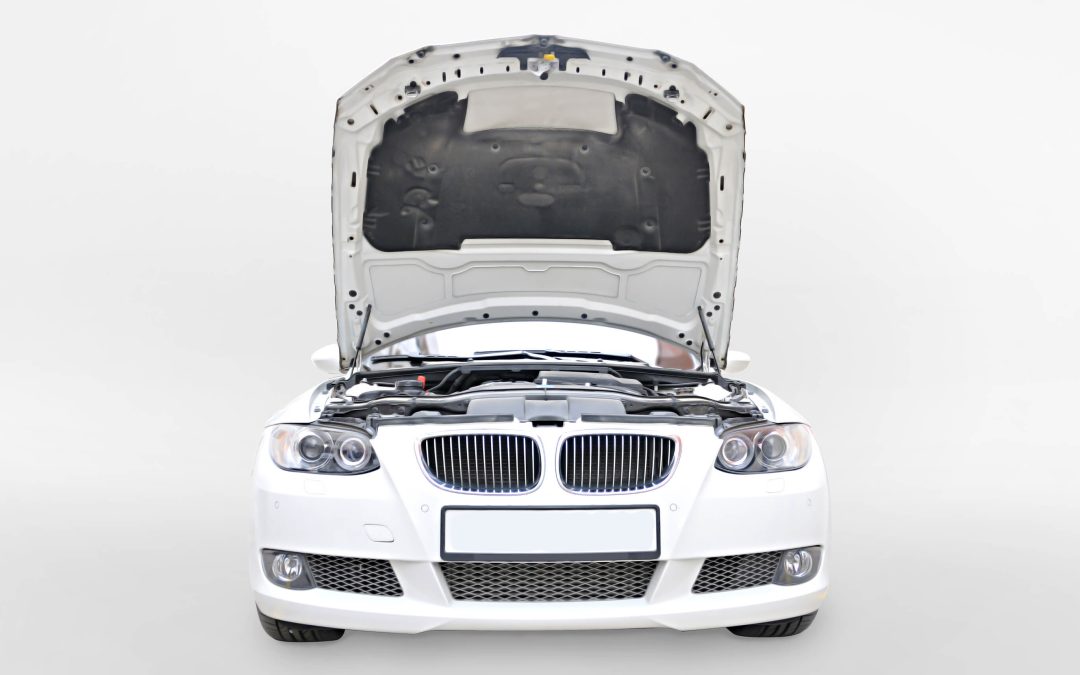
BMW vehicles are celebrated for their performance, engineering, and luxury. However, like all vehicles, they come with specific problems and issues that can affect reliability, performance, and overall ownership experience. Understanding the most common BMW problems, their causes, symptoms, and fixes is essential for every owner, whether driving a BMW X5, a 3 Series, or another model. At All European Auto Repair Las Vegas, our team of experienced technicians provides professional repairs, maintenance, and diagnostics to keep your vehicle running smoothly.
Engine Oil Leaks Are a Frequent BMW Issue
One of the most common problems in BMW engines is an oil leak, which in many cases occurs due to worn gaskets, valve cover gasket failures, or seals. Over time, gaskets and components in the car deteriorate due to heat, wear, and pressure, resulting in leaks that can affect engine performance.
Symptoms of Oil Leaks
- Visible oil on the engine or garage floor
- Burning oil smell from overheated engines
- Low oil levels triggering dashboard warning lights
Fixing Oil Leaks
Replacing the valve cover gasket, oil pan gasket, or seals with OEM parts is the most reliable way to fix leaks. Over time, a lot of wear can affect the car, and regular oil changes and inspections help detect leaks early, preventing engine damage, top performance issues, water pump failures, or something that can cause unusual sounds. In many cases, this part of maintenance should be set as a priority to avoid problems.
Cooling System Failures Lead to Overheating
BMW’s are known for precision engines, but cooling system failures can result in overheating, engine damage, and expensive repairs. Common causes include thermostat failures, radiator leaks, and water pump issues.
Signs of Cooling System Problems
- Engine overheating on the road or in traffic
- Coolant leaks under the vehicle
- Dashboard warning lights, including the check engine light
- Unusual sounds from the water pump
Reliable Repairs
Replacing the thermostat, water pump, or radiator using OEM parts ensures long-term reliability. Over time, repeated exposure to heat and pressure can cause failures, so routine coolant flushes and system inspections at recommended times are essential maintenance measures to avoid overheating.
Timing Chain Problems Affect Engine Performance
Many BMW owners report timing chain issues, especially in specific models with high-mileage engines. A failing timing chain can lead to misfires, rough idling, and engine failure if ignored.
Symptoms of Timing Chain Failures
- Rattling noises from the engine
- Check engine light illumination
- Poor acceleration and reduced performance
Fixes and Preventive Measures
Replacing the timing chain and associated components promptly is crucial. Regular oil changes and using high-quality oil filters extend the chain’s life and protect engine reliability.
Electrical and iDrive Glitches Are Common in BMWs
BMW electronics are advanced but can develop glitches over time, affecting dashboard systems, iDrive, lights, and other vehicle electronics.
Typical Electrical Issues
- Malfunctioning dashboard lights or warning lights
- iDrive system freezing or crashing
- Door lock, window, or light failures
- Battery drain or replacement needs
Professional Repairs
Our mechanics use diagnostic tools to identify electrical faults. Repair often involves replacing sensors, modules, or wiring, ensuring the vehicle’s systems work correctly.
Fuel Pump Failures Reduce Engine Reliability
A failing fuel pump can cause engine misfires, stalling, and poor acceleration, which can leave drivers stranded if not addressed.
Symptoms of Fuel Pump Problems
- Difficulty starting the engine
- Engine stalling or hesitation
- Reduced fuel efficiency
Repair Solutions
Replacing the fuel pump with OEM parts is the most reliable solution. Regular fuel system inspections help detect issues before significant damage occurs.
Transmission Issues Impact BMW Driving Experience
Transmission problems are common in BMW automatic transmissions, including rough shifting, fluid leaks, and transmission failures in some models.
Warning Signs
- Delayed acceleration or jerky gear changes
- Transmission fluid leaks
- Check the engine light or transmission warning light
Transmission Maintenance
Routine transmission fluid changes, diagnostics, and replacing worn parts prevent failures. Using OEM fluids and components ensures smooth performance and longer transmission life.
Suspension and Steering Problems Affect Comfort and Safety
BMW suspension and steering components can wear over time, especially with heavy road use. Suspension failures affect ride comfort, handling, and safety.
Signs of Suspension Wear
- Unusual noise from wheels over bumps
- Pulling to one side while driving
- Rough or uncomfortable ride quality
Repairs and Maintenance
Replacing worn suspension parts, including control arms, bushings, and shocks, restores handling and comfort. Regular inspections performed by a professional BMW repair in Las Vegas prevent safety risks from worn components.
Battery and Electrical System Failures
BMW battery and electrical issues are standard, especially in older vehicles or high-tech models with multiple electronic systems.
Symptoms of Electrical Problems
- Slow or no start
- Warning lights on the dashboard
- Malfunctioning lights, doors, or iDrive system
Fixes
Battery replacement and thorough electrical system diagnostics address issues. Our team ensures electronics and sensors function properly, preventing recurring glitches.
Oil Filter and Routine Maintenance Prevent Engine Damage
Many BMW problems are preventable with proper maintenance. Regular oil changes, using high-quality oil filters, and following manufacturer recommendations protect the engine, timing chain, and components.
Preventive Care
- Scheduled oil changes with OEM oil filters
- Routine inspections of gaskets, seals, and valve cover gaskets
- Maintaining proper coolant and transmission fluid levels
Preventive care reduces repair costs, extends vehicle life, and enhances performance.
Valve Cover Gasket Failures Are a Known BMW Problem
The valve cover gasket is a critical engine component prone to leaks, especially in high-mileage BMWs. Leaks can lead to oil contamination, engine misfires, and costly repairs.
Symptoms
- Oil leaks around the valve cover
- Burning oil smell
- Check engine light triggered by misfires
Replacement
Replacing the valve cover gasket with OEM parts is essential. Proper installation and periodic inspections ensure long-term engine reliability.
Brake and Safety Systems Require Regular Attention
BMW brakes, suspension, and other safety systems require routine inspection to maintain performance and safety.
Signs of Brake Wear
- Squealing or grinding sounds
- Reduced braking performance
- Vibrations in wheels
Repairs
Replacing worn brake pads, rotors, and sensors maintains safety, and professional brake repair ensures proper function. Regular brake inspections prevent failures and extend vehicle life.
Dashboard Warning Lights Signal BMW Issues Early
Paying attention to dashboard lights can prevent major repairs. Standard warning lights indicate oil issues, engine problems, electrical failures, and transmission concerns.
Response Measures
- Diagnostics by a professional mechanic
- Timely repairs of systems or components
- Using OEM parts to restore vehicle reliability
Ignoring dashboard warnings often results in more costly repairs and decreased performance.
Routine Inspections Enhance BMW Reliability
Routine inspections and preventive maintenance are the best way to avoid common BMW problems. At All European Auto Repair Las Vegas, our team provides comprehensive diagnostics, oil changes, and system checks to ensure long-lasting performance.
Maintenance Measures
- Regular oil changes and filter replacements
- Cooling system checks, including water pump and radiator
- Transmission fluid monitoring
- Suspension and brake inspections
Proactive care reduces failures, increases comfort, and ensures safety on the road.
BMW Warranty and OEM Parts Ensure Quality Repairs

Using OEM parts and maintaining warranty coverage is critical for BMW repairs. Genuine parts provide proper fit, durability, and long-term performance compared to aftermarket alternatives.
Advantages
- Fewer glitches and system failures
- Reliable engine, transmission, and electrical performance
- Peace of mind for owners
Our shop specializes in BMWs, ensuring repairs meet manufacturer standards.
All European Auto Repair Las Vegas Provides Expert BMW Care
At All European Auto Repair Las Vegas, our technicians have extensive experience with BMW vehicles. From oil leaks to transmission issues, cooling system repairs, suspension maintenance, and electrical diagnostics, we offer professional service and repairs to keep your vehicle performing like new.
Services We Offer
- Engine repairs and diagnostics
- Cooling system maintenance and water pump replacement
- Transmission repairs and fluid changes
- Electrical system diagnostics and iDrive troubleshooting
- Suspension, brake, and safety system maintenance
- Preventive maintenance and inspections
Scheduling an appointment with our team ensures your BMW receives expert care, protecting performance, reliability, and comfort.
Conclusion: Proactive Maintenance Solves Most BMW Problems
BMW cars deliver exceptional performance, but owners must address common issues to maintain reliability. From oil leaks and cooling system failures to timing chain, transmission, and electrical problems, early detection and professional repairs prevent significant damage and save money.
At All European Auto Repair Las Vegas, we provide diagnostics, service, and repairs for BMW models, using OEM parts and expert technicians to ensure your vehicle remains safe, efficient, and luxurious. Regular maintenance, timely oil changes, system inspections, and prompt attention to dashboard warnings are the best ways to maximize your BMW’s lifespan and driving experience.
Frequently Asked Questions
1. How often should I replace the timing chain on my BMW?
Timing chain replacement depends on the model and engine mileage, but regular inspections and using high-quality oil and filters can extend its life and prevent costly engine damage.
2. Can a faulty water pump cause other engine problems?
Yes, water pump failures can lead to overheating, coolant leaks, and even top-end engine damage if not addressed promptly.
3. What are the most common BMW electrical system failures?
Common issues include iDrive glitches, dashboard warning lights, battery drain, and malfunctioning sensors, which can affect performance and safety.
4. How do I know if my BMW needs a fuel pump replacement?
Symptoms include engine misfires, stalling, difficulty starting, and reduced fuel efficiency. Early detection prevents further engine damage.
5. Are BMW suspension problems covered under warranty?
Some suspension components may be covered under the BMW warranty, mainly if failures occur within warranty times or due to OEM part defects.
6. How can I prevent oil leaks in my BMW?
Regular oil changes, timely gasket inspections, and replacing worn seals or valve cover gaskets with OEM parts reduce the risk of leaks.
7. Why is my BMW dashboard showing multiple warning lights?
Multiple warning lights often indicate electrical system issues, failing sensors, or other vehicle problems that need professional diagnostics.
8. What are the signs of transmission fluid problems in BMW cars?
Look for jerky shifts, delayed acceleration, unusual sounds, or fluid leaks. Regular transmission fluid checks prevent major failures.
9. How often should BMW brake pads and rotors be inspected?
Brake inspections should be performed at regular service intervals, especially if there are vibrations, squealing sounds, or reduced braking performance.
10. Can ignoring minor BMW engine problems lead to major repairs?
Yes, ignoring minor issues like oil leaks, coolant leaks, or warning lights can escalate into engine, transmission, or electrical failures, costing significant repair money.
