
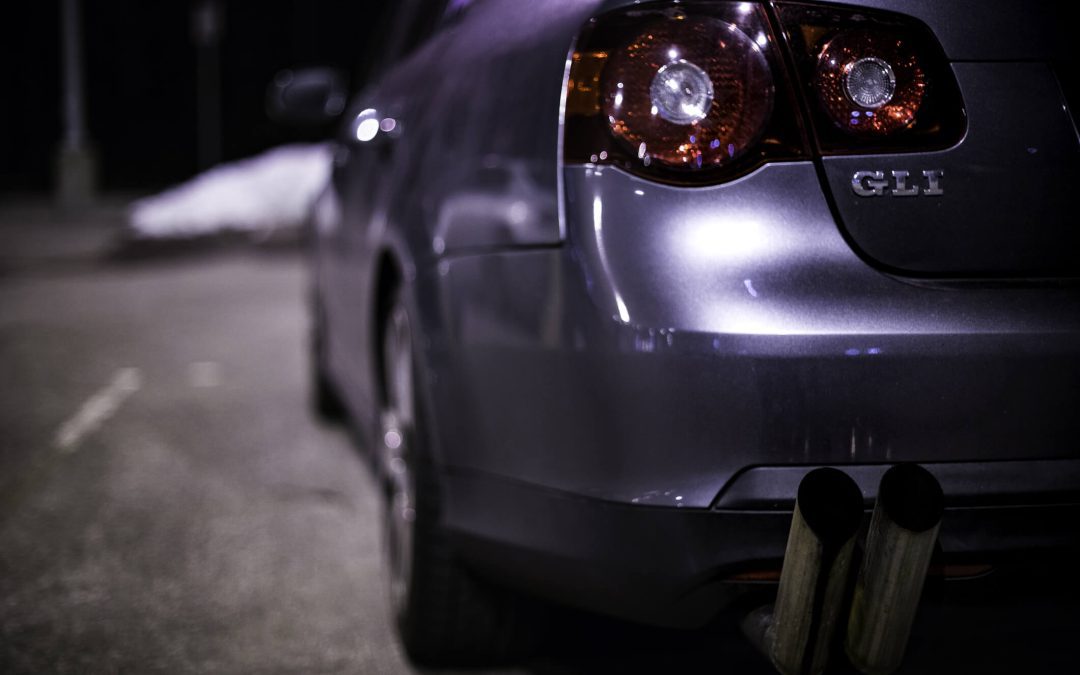
When drivers bring their Volkswagens to All European Auto Repair Las Vegas, one of the most common issues we diagnose is muffler bracket failure — and it’s often overlooked until it causes bigger damage. Muffler brackets may seem like simple automotive mounting parts, but their purpose in supporting the muffler, exhaust pipes, and other exhaust system components is crucial to your vehicle’s performance, comfort, and safety, keeping the exhaust system properly secured to the ground.
At All European Auto Repair Las Vegas, we’ve helped countless owners of Volkswagens, Audi, BMW, Mercedes, Porsche, Jaguar Land Rover, Volvo, and other European cars identify the signs of muffler bracket failure and take action before problems escalate. Our technicians bring years of specialized training and advanced tools to every service, ensuring everything from inspection to repairs is handled with precision at our service center.
In this detailed guide, we’ll walk you through the signs, causes, symptoms, inspection, and repair of muffler bracket failure in Volkswagen vehicles. You will learn what to look for, why it matters, and how we can help you schedule a repair appointment at our shop. Image credit and references throughout highlight the critical areas and components to watch for in your automotive exhaust system.
Muffler Bracket Failure Leads To Noises
One of the earliest and most obvious signs of muffler bracket failure is abnormal noises coming from your vehicle’s exhaust system. Since the muffler bracket and exhaust hanger are responsible for the function of securely holding the muffler and exhaust pipes in place, when they fail, parts of the exhaust are free to move or sag, which is why it’s important to repair muffler bracket issues promptly. Our technicians document these problems in posts for reference, while our marketing materials help educate owners on why addressing bracket failures early protects overall automotive performance.
You may notice:
- Rattling noises when driving over roads, speed bumps, or potholes
- Clunking or thudding sounds when accelerating, braking, or turning
- Loud exhaust noise during idle or highway speeds
These noises are often caused by:
- A loose muffler knocking against the chassis or other components
- A broken muffler bracket allowing the exhaust pipe to hit undercarriage parts
- Worn rubber exhaust hangers that no longer hold the exhaust system securely
If you hear unusual noise from under your car — especially at the bottom of the vehicle — bring your Volkswagen in. Left unchecked, these sounds can signal more significant problems that impact engine performance and long‑term reliability.
Visible Damage Shows Muffler Bracket Problems
Another clear sign of muffler bracket failure is visible damage to the exhaust system — especially around the muffler bracket, exhaust hanger, and adjacent pipe sections. During a service inspection, our technicians will check for:
- Rust or corrosion on the bracket or surrounding metal
- Fractures, tears, or missing hardware on the muffler bracket
- Exhaust pipes that are misaligned, sagging, or touching the chassis
- Worn rubber mounts that used to support the exhaust system
Rust and corrosion are particularly common on vehicles that see driving in regions where salt is used on roads during winter months, or where frequent moisture exposure occurs. Over time, these elements eat away at the metal, causing bracket failure and potential exhaust leak points. Results of neglected corrosion often include decreased engine performance, strange noises, and even a check engine light coming on due to altered exhaust flow.
Visible sagging or separation of your exhaust is not something to ignore — it means the exhaust system’s structural support is compromised and needs attention. These are valid reasons to bring your car back to a qualified mechanic for inspection. Our services account for changes in temperatures that can accelerate wear, ensuring your muffler bracket and related components are fully assessed and repaired.
Vibrations Indicate Exhaust Support Issues
Exhaust support plays a significant role in how your engine feels and sounds. Failing muffler brackets or exhaust hangers can lead to excessive vibrations throughout the car, especially during acceleration.
You might experience:
- Vibrations in the steering wheel
- Shaking in the floorboard or seats
- Sensations that weren’t present before on smooth roads
Why does this happen?
The exhaust system runs from the catalytic converter at the front of the car all the way to the tailpipe at the rear. When muffler brackets fail, they no longer absorb and isolate vibrations. This allows the muffler and pipes to transmit vibrations into the chassis, which you feel inside the cabin.
This is especially noticeable in German vehicles like Volkswagens, whose name is synonymous with precision engineering and smooth power delivery. In our shop, we classify these issues into categories such as bracket wear, hanger damage, or corrosion-related failures, so even a small amount of extra movement from a failed bracket can be accurately diagnosed and addressed.
Exhaust System Misalignment From Bracket Failure
The exhaust system is carefully designed to route gases away from the engine and cabin, optimize performance, and minimize noise. The muffler bracket and exhaust hangers help maintain proper alignment of the system. When these brackets fail, the exhaust can shift or sag, causing:
- Exhaust tips to sit too low or rub against the undercarriage
- Pipes contacting suspension components
- Increased potential for accidents with road obstacles
Misalignment can also affect exhaust backpressure, which in turn can change how your engine breathes, potentially affecting fuel economy and power.
Poor alignment also increases wear on other exhaust system components, meaning a small bracket issue can quickly turn into a larger problem requiring more expensive repairs.
Exhaust Leak Symptoms Linked To Bracket Damage
When a muffler bracket fails, the resulting stress and movement in the exhaust system can cause cracks and gaps where pipes connect or where the muffler meets the exhaust.
This can lead to an exhaust leak, which is more than just annoying — it’s potentially dangerous.
Signs of an exhaust leak include:
- Smelling exhaust fumes inside the cabin
- Hissing or popping noises from the exhaust system
- Reduced engine performance
- Decreased fuel efficiency
Because the exhaust contains gases that shouldn’t enter the passenger area and can be harmful, any suspected exhaust leak should prompt an immediate inspection.
Bracket Failure Causes Reduced Performance And Efficiency
When your muffler bracket fails, it affects more than just noise and vibration. It can impact your overall driving experience, including engine performance and fuel efficiency.
Here’s why:
- A poorly supported exhaust system can change exhaust flow
- Misalignment can increase backpressure
- Vibrations and leaks can affect sensors that feed data to the engine’s computer
Reduced performance can show up as:
- Sluggish acceleration
- Hesitation while merging or climbing hills
- Poor fuel economy
These symptoms can be subtle at first, but over time, they degrade your vehicle’s reliability and driving enjoyment.
Common Causes Of Muffler Bracket Failure
Understanding what leads to muffler bracket failure helps you prevent it — or at least catch it early.
The most common causes we see include:
1. Corrosion And Rust
Exposure to moisture, salt, and road chemicals leads to metal fatigue and eventual breakage.
2. Wear And Tear Over Time
All parts have a finite life. Muffler brackets and rubber mounts wear down with age and mileage.
3. Road Hazards And Potholes
Heavy impacts from potholes, speed bumps, or rough terrain can strain or break the bracket.
4. Accidents Or Impacts
Even minor undercarriage collisions can bend or damage exhaust supports.
5. Temperature Fluctuations
Repetitive heating and cooling expand and contract exhaust components, contributing to metal fatigue.
Because these factors vary with driving conditions and climate, the timeline for muffler bracket failure can differ widely between vehicles.
Inspection And Diagnosis Procedures We Use
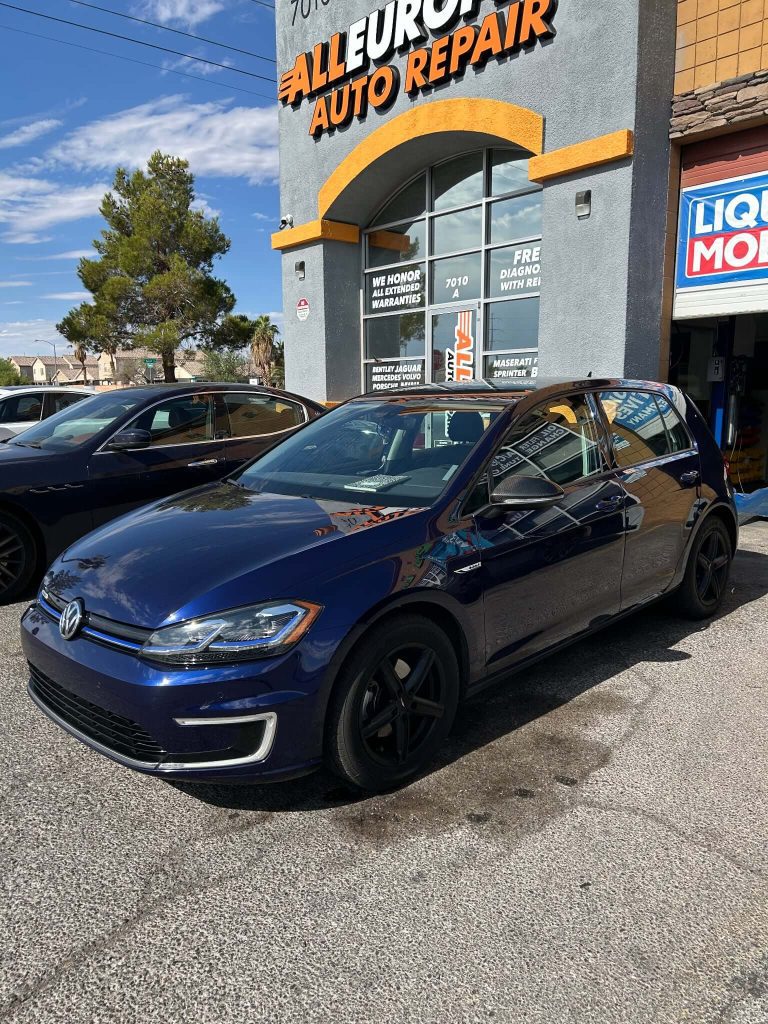
At All European Auto Repair Las Vegas, we follow a thorough, professional process for diagnosing muffler bracket issues:
- Visual Inspection – We examine the entire exhaust system, from the engine to the tailpipe, looking for rust, damage, and misalignment.
- Hands‑On Testing – Our technicians use specialized tools to gently move the exhaust system and check for excessive play where the bracket should be firm.
- Noise And Vibration Analysis – Test drives help us confirm how symptoms change with speed, load, and road surface.
- Component Check – We inspect rubber hangers, muffler brackets, and related parts for wear or impending failure.
- System Alignment – If parts are misaligned, we determine whether repair or replacement is the best course.
Our goal is not just to fix the immediate problem, but to understand its cause and prevent future issues.
Professional Muffler Bracket Repair And Replacement
Once we identify muffler bracket failure, the next step is corrective action. Depending on the extent of damage, this may include:
- Bracket Replacement – Installing new, high‑quality muffler brackets
- Exhaust Hanger Replacement – Swapping worn rubber mounts
- Bracket Reinforcement – Strengthening support where needed
- Welding – Repairing cracks or reinforcing joints
- Full Exhaust Alignment – Ensuring correct positioning of pipes and muffler
Our technicians use manufacturer‑grade parts and advanced tools so repairs meet or exceed factory standards. Whether it’s your Volkswagen, Audi, BMW, Volvo, or other European vehicle, we handle every repair with precision, offering specialized Volkswagen repair services in Las Vegas to ensure your car receives expert care tailored to its unique engineering.
Timing For Muffler Bracket Maintenance And Service
There is no universal mileage when muffler brackets fail, but regular maintenance is key to catching issues early. At a minimum, we recommend:
- Exhaust inspections during every major service interval
- Checks after winter driving or exposure to salt
- Inspections after significant impacts or accidents
- Listening for early noise or vibration changes
If you notice a new noise, vibration, or change in performance, it’s wise to call us and schedule a service appointment. Early detection often saves money and prevents secondary damage.
Why Preventative Care Matters For Exhaust Components
Many drivers ignore small noises or vibrations until they turn into large problems. This is especially true for exhaust system components like muffler brackets because they are out of sight and often forgotten.
But preventative care:
- Protects engine performance and fuel efficiency
- Avoids costly secondary repairs
- Extends the life of related components
- Preserves the reliability of your vehicle
- Improves safety by reducing the chance of exhaust leaks
We encourage every owner to view muffler bracket inspections as part of essential European auto repair maintenance — like checking brakes, tires, or fluids.
Typical Repair Costs And What To Expect
The cost of addressing muffler bracket failure varies based on the severity of the issue and the model of your Volkswagen or other European car. Factors that influence cost include:
- Number of brackets needing replacement
- Condition of rubber hangers
- Whether additional welding, alignment, or component repairs are needed
- Labor time based on vehicle design and access requirements
We provide transparent estimates before any repair, so you know what to expect. Because failing brackets often cause secondary issues, addressing them early is usually more cost‑effective.
Choosing a European Auto Repair Specialist
European vehicles like Volkswagens, Audi, BMW, Mercedes, Porsche, Jaguar Land Rover, and Volvo have unique exhaust system designs and require skilled technicians to diagnose muffler bracket failures properly.
Here’s why people trust us:
- Specialized training in European auto repair
- Advanced diagnostic tools
- Quality parts and precise workmanship
- Clear communication and accurate estimates
- Commitment to long‑term vehicle reliability
When you bring your car to us, you’re not just getting a fix — you’re getting expert care that helps prevent future problems and keeps your vehicle performing at its best.
Final Thoughts On Muffler Bracket Failure
Muffler bracket failure may seem minor at first, but it has real consequences for your Volkswagen’s exhaust system, engine performance, fuel efficiency, and driving comfort. Recognizing the signs — from strange noises to vibrations and visible damage — gives you the advantage of early repair and a safer, smoother ride.
At All European Auto Repair Las Vegas, we’re here to help every step of the way. If you notice anything unusual — whether it’s noise, vibration, or anything that feels off about your vehicle’s exhaust system — don’t wait. Schedule a service appointment with us and let our experts check it out.
Your Volkswagen deserves the best care, and we deliver reliable, knowledgeable, and professional service every time.
Frequently Asked Questions (FAQs)
1. Can a failing muffler bracket trigger a check engine light?
Yes, if the bracket failure causes excessive movement that affects oxygen or exhaust sensors, it can trigger a check engine light. This happens because the sensors detect abnormal exhaust flow or pressure changes.
2. How long can a muffler bracket last before it fails?
Muffler brackets can last anywhere from 5 to 10 years depending on driving conditions and climate. Vehicles in areas with high humidity or frequent road salt may see failure sooner.
3. Can I drive with a broken muffler bracket temporarily?
Short distances may be safe, but prolonged driving can worsen damage and stress other exhaust components. It’s best to limit driving until the bracket is repaired to avoid costly secondary issues.
4. Are muffler bracket failures covered under Volkswagen warranties?
Typically, warranties cover defects in materials or workmanship but not damage from corrosion, accidents, or road hazards. Extended warranties may vary, so owners should check the specific policy details.
5. Are aftermarket muffler brackets safe to use on a Volkswagen?
Aftermarket brackets can be compatible, but quality and fit vary widely between brands. Using non-OEM parts may lead to premature failure or alignment issues if they aren’t precisely engineered.
6. Can a failing muffler bracket cause damage to other parts of the exhaust system?
Yes, a loose bracket can stress connections and joints, potentially cracking pipes or damaging welds. Sensors or the catalytic converter can also be affected if movement is severe.
7. How do I prevent muffler bracket failure in the first place?
Regularly rinse undercarriage components to reduce corrosion from salt or chemicals. Inspect brackets for loosening after rough roads, and replace worn rubber mounts before they fail completely.
8. Are certain Volkswagen models more prone to muffler bracket failure?
Smaller models with lower ground clearance, like the Golf or Jetta, may be more susceptible due to road contact. Heavier vehicles or SUVs may experience stress-related failure at higher mileage due to weight on the brackets.
9. Can I replace a muffler bracket myself, or is professional service required?
DIY replacement is possible with the right tools, but alignment and secure mounting can be tricky. Improper installation can lead to rattling, leaks, or accelerated wear on other exhaust components.
10. How do seasonal changes affect muffler brackets?
Winter conditions with road salt accelerate rust and corrosion, weakening brackets faster. Summer heat can expand metal and dry out rubber mounts, creating stress that may contribute to early failure.
