
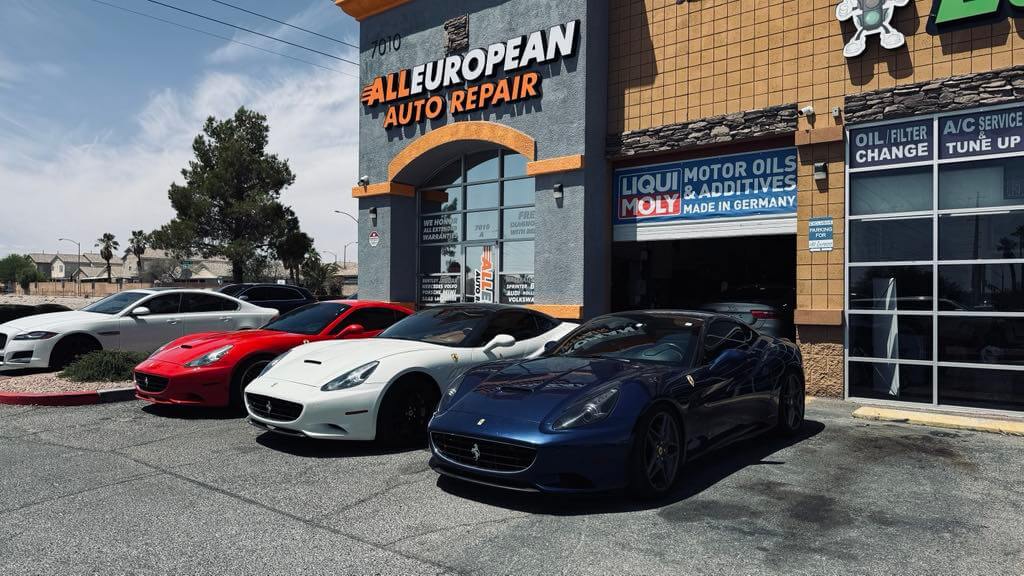
At All European Auto Repair Las Vegas, we understand that winter weather—even in regions that don’t see heavy snow—still affects your car in ways many drivers overlook. Cold temperatures, sudden drops in temperature, road debris, fog, condensation, and emergencies can all impact the safety, performance, and longevity of your vehicle. As a trusted mechanic team specializing in European vehicles, we use our experience to guide owners through the essential winter car maintenance steps that keep vehicles protected, reliable, and ready for anything the season may bring.
Below, we share our comprehensive, thoroughly researched guide packed with practical winter car maintenance tips. We integrate everything from coolant and antifreeze to brakes, tires, wipers, car battery care, engine protection, visibility improvements, traction solutions, and emergency kit essentials—ensuring you have plenty of reliable information to safeguard your car during cold temperatures.
Seasonal Temperatures Require Complete Vehicle Preparation
When colder weather begins to settle into the area, even without extreme winter conditions, it affects multiple vehicle systems at once. Temperature swings cause rubber items like hoses, belts, and blades to stiffen; oils and fluids to thicken; batteries to lose performance; tire pressure to drop; and engines to require more power to start. In many cases, even the windows react differently to the cold, affecting visibility and driver comfort.
We take these changes seriously because even a slight temperature change can alter how your vehicle behaves on the road. The owner may not notice these issues immediately, but during sudden drops in temperature or long-distance travel, the strain on critical systems can increase quickly. Our approach includes a full inspection of coolant, antifreeze ratio, engine fluids, brakes, traction systems, and oil condition. This ensures that your car can function efficiently in cold temperatures without risking damage or corrosion, giving you the confidence to drive safely no matter the weather or how crowded the lot or driving space may be.
Tire Condition and Pressure Improve Safety and Traction
Tires play a critical role in winter safety. Cold weather reduces tire pressure, affecting tread contact and traction on cold roads or icy patches. Whether your vehicle uses performance, all-season, or dedicated winter tires, proper tire pressure is essential for braking, handling, and overall safety.
During winter inspections, we check wear, tread depth, shape consistency, and any debris or dirt caught in the tread or side areas. We verify that each tire maintains the proper PSI and guide you on how tire pressure changes for every 10-degree temperature shift.
Even if Las Vegas drivers rarely face snow or ice, early-morning cold temperatures and wet conditions increase the risk. We highlight the importance of proper traction because it improves control during turns, increases braking stability, and reduces the chance of skidding or emergency handling issues—especially when supported by professional tire and wheel services that keep your vehicle’s grip and balance at their best.
Battery and Charging System Protection Strengthens Winter Reliability
Cold temperatures directly affect your car battery’s ability to generate power, and even mild winter conditions can noticeably reduce its efficiency. A battery weakens as temperatures drop, increasing the risk of hard starts or complete failures, especially when multiple components in the electrical system demand power simultaneously.
We inspect car batteries for age, corrosion, output capacity, and fluid levels where applicable. Because batteries often fail without warning, we recommend replacement once performance indicators decline. During this process, we also examine related items such as jumper cables, charging system components, and the alternator, ensuring every component is set correctly for winter reliability. For added convenience, we guide drivers to the best stores to source emergency supplies or battery accessories, providing helpful resources right at hand.
Having a reliable battery ensures dependable engine starts during cold mornings, prevents stalling in traffic, and minimizes emergencies when driving long distances or through remote areas.
Coolant, Antifreeze, and Cooling System Care Prevent Engine Damage
Coolant and antifreeze protect your engine by regulating temperature and preventing freezing or overheating. Low coolant levels, incorrect antifreeze ratio, or leaks in hoses and the reservoir can lead to severe engine damage.
During winter maintenance, we check:
- Coolant condition
- Antifreeze ratio
- Radiator and reservoir levels
- Cooling system hoses
- Signs of rust, corrosion, or condensation
- Water pump performance
These steps ensure your engine stays protected whether the weather is cold, mild, or fluctuating daily. Proper coolant prevents issues even if the vehicle never encounters ice or snow; the engine’s internal temperatures still depend on a healthy cooling system.
Wipers, Windshield Care, and Visibility Upgrades Improve Safety
Clear visibility is essential during winter because fog, dirt, debris, and glare become more common. We inspect windshield wipers, winter wipers, blades, and windshield wiper fluid to ensure proper operation. Hardened or cracked blades leave streaks that increase visibility risks.
We also examine windshield integrity, check for chips or cracks, and verify defrost and heater function. Proper defrost performance prevents fogging, which is a significant safety concern on colder mornings.
For drivers traveling to snowy areas, we recommend carrying an ice scraper, though Las Vegas owners rarely use one locally. Still, many clients take weekend trips to mountain areas, making such items necessary.
Brakes and Traction Control Systems Maintain Stability
Brakes work harder in winter due to colder, stiffer components and longer stopping distances. Whether your car uses advanced braking systems or manual parking brakes, winter inspections and timely brake repairs ensure the entire braking system performs at peak efficiency.
We check:
- Brake pads
- Brake fluid
- Rotor condition
- ABS and traction control function
- Emergency brake cables
- Lines and fluid pressure
Reliable brakes become even more important when driving on cold roads, wet surfaces, or areas with sand or dirt accumulation. We reinforce the importance of routine inspection to prevent issues long before they affect performance.
Fluids, Oils, and Lubrication Enhance Winter Engine Performance
Engine oil thickens in cold temperatures, reducing lubrication until the engine warms. We check oil condition, viscosity, and levels to ensure optimal performance. Winter weather requires oils that maintain flow while protecting engine components.
We also inspect:
- Transmission fluid
- Brake fluid
- Power steering fluid
- Washer fluid
- Fuel system components
Fresh fluids reduce rust, corrosion, and wear while improving overall vehicle performance throughout the season.
Emergency Kits and Supplies Provide Winter-Ready Preparedness
Every vehicle benefits from an emergency kit, regardless of the climate. Winter adds additional concerns, such as cold exposure, reduced visibility, and unexpected roadside emergencies.
We recommend carrying:
- Flashlight
- Jumper cables
- Blankets
- Emergency kit supplies
- Tools
- Water
- Gas tank additive (if needed)
- First-aid items
- Snow brush or scraper (for mountain trips)
These items give drivers the ability to handle emergencies, maintain safety, and address minor issues without waiting long distances for help.
Headlights, Lenses, and Exterior Components Improve Night Driving Safety
Winter weather drastically changes visibility, especially as sunset arrives earlier. Dirt, sand, and road debris cloud headlights and lenses, reducing illumination. We clean, inspect, and restore headlights while checking all exterior lights to ensure they function at full brightness.
We also check:
- Turn signal performance
- Brake lights
- Fog lights
- Parking lights
Clear lighting significantly increases safety during night driving and in poor weather.
Fuel, Gas Tank, and Engine Airway Care Support Seasonal Efficiency
A lower fuel level can lead to condensation inside the tank during cold temperatures. This creates water buildup and possible fuel line issues. We recommend keeping the gas tank at least half full throughout winter to reduce risk.
We also examine:
- Air filters
- Intake airway condition
- Debris around engine components
- Fuel delivery performance
This ensures smooth engine operation even during temperature fluctuations.
Body, Frame, and Undercarriage Protection Reduce Winter Wear

While Las Vegas roads rarely see heavy snow, nearby mountain regions use road chemicals, sand, and salt-like materials that cling to the underside of vehicles. We inspect the body and undercarriage for rust, corrosion, dirt, and other issues that worsen during winter.
We remove debris and apply protective treatments when needed to preserve the vehicle’s condition.
Winter Maintenance Saves Money and Prevents Future Problems
Performing winter car maintenance is a cost-saving strategy. Addressing minor issues before the cold season reduces the need for expensive repairs, breakdowns, and emergencies. By maintaining fluids, brakes, tires, pressure levels, wipers, coolant, and other essential items, drivers preserve fuel efficiency, maintain safety, and extend the life of their vehicles.
At All European Auto Repair Las Vegas, we take pride in offering thorough, detail-oriented inspections that help owners avoid unnecessary repairs, prevent breakdowns, and extend vehicle longevity. Our knowledge of European engines and performance systems enables us to detect early problems, recommend necessary changes, and ensure every car drives smoothly in winter weather.
Our Team Delivers Complete Winter Car Maintenance With Expertise
With our experience servicing European cars across Las Vegas, we make winter car maintenance straightforward, effective, and reliable. We approach every vehicle with the same commitment to safety and performance, focusing on the unique engineering of brands such as BMW, Mercedes-Benz, Audi, Porsche, Volkswagen, and others.
Our winter inspection ensures:
- Safe tires
- Reliable car battery function
- Clear visibility
- Strong brakes
- Proper oil and fluids
- Stable coolant and antifreeze levels
- Working heating and defrost systems
- No corrosion, rust, or debris issues
Our goal is to help drivers feel confident and prepared throughout the season—whether dealing with cold mornings, long-distance travel, or unexpected emergencies.
Trust Our Winter Maintenance Expertise
Winter car maintenance protects your vehicle, enhances performance, and ensures your safety every time you drive. At All European Auto Repair Las Vegas, we provide the comprehensive care your vehicle needs to thrive in cold temperatures, winter weather, and changing road conditions.
Whenever you’re ready, our team is here to help prepare your vehicle for winter with expert maintenance, reliable service, and a commitment to keeping you safe on the road.
Frequently Asked Questions (FAQs)
1. How often should I start my car if I’m not driving it much during the winter?
If a vehicle sits for long periods in cold weather, starting it every few days helps maintain battery health, circulate fluids, and prevent seals from drying out.
2. Does winter weather affect European vehicles differently from non-European models?
European cars often use more advanced electronics, tighter engineering tolerances, and specialized fluids, making proper winter maintenance especially important for system reliability.
3. Should I switch to a winter-grade oil in mild climates like Las Vegas?
Even in mild climates, a switch to the manufacturer-recommended winter viscosity can improve cold-start lubrication and reduce engine wear.
4. Can cold weather make dashboard warning lights appear temporarily?
Yes. Temperature drops can affect sensors, tire pressure, and battery output, causing temporary warnings that may disappear once the engine warms.
5. Do rubber seals around doors and windows need winter protection?
Applying a silicone-based protectant can prevent seals from drying, freezing, or sticking during colder months.
6. Is it normal for fuel efficiency to drop during winter?
Yes. Cold air is denser, engines run richer during warm-up, and drivers often idle longer, all of which contribute to reduced MPG.
7. Are garages or carports significantly better for winter vehicle protection?
Keeping a vehicle sheltered protects it from condensation, overnight temperature swings, and exposure to debris and moisture that accelerate corrosion.
8. Should I wax my car before winter for added protection?
A high-quality wax or ceramic coat adds a protective layer against moisture, sand, and road chemicals, helping preserve paint and clear coat.
9. Can winter weather damage electrical connectors or sensors?
Extreme cold can make connectors brittle, increase condensation inside housings, and affect the responsiveness of temperature-related sensors.
10. How important is it to check alignment during winter?
Winter potholes, road debris, and temperature-related tire pressure changes can affect alignment, impacting tire wear, traction, and steering stability.
